Look, I get it. You’re sitting there with forty tabs open, three different Pinterest boards for the “perfect kitchen,” and a nagging feeling that something is missing. You’ve spent the last six hours consuming “references,” yet if someone asked you what you actually liked—without looking at a screen—it’s easy to feel a bit lost.
It’s a weirdly lonely feeling, being surrounded by beautiful images and feeling like you have absolutely no taste of your own. You’re soaking up inspiration but still waiting for that spark of an original thought. This is the peak of moodboard aesthetic fatigue, and if you don’t snap out of it, you’re going to end up producing work that looks like a carbon copy of a carbon copy.
Why you’re bored
The internet has a funny way of flattening everything. Because the algorithms prioritize what’s already popular, we all end up seeing the same “curated” life. It’s the same beige linen sheets, the same mid-century modern chair, and the same grainy film filter on every street style shot. When you’re stuck in this loop, it’s a creative death sentence.
You start to mistake “popular” for “good,” and “viral” for “personal.” But let’s be honest: if everyone is inspired by the same three moodboards on the front page of Pinterest, is anyone actually being inspired? Or are we just participating in a massive, global game of follow-the-leader?
Breaking the cycle of “Pinterest fatigue“
I’ve been in this game for a decade, focusing on how people consume content and how that turns into value. The biggest mistake I see—whether you’re a designer, a stylist, or just someone trying to decorate a flat in Toronto—is relying solely on digital discovery.
You need to realize that a reference isn’t a rule, It’s more like a starting point. But when the starting point is all you have, you’re just a curator of other people’s lives. To find your “own taste,” you have to stop looking at what everyone else has decided is cool and start looking at the world that hasn’t been filtered through an algorithm yet.
The secret weapon: Your own camera
I remember being in a workshop years ago and the mentor told me something that changed how I looked at everything. He said the most powerful tool in your creative arsenal isn’t a $5,000 Leica or a perfectly organized Notion database. It’s your own phone camera and a walk down a street you’ve never been on.
He argued that the only way to build a moodboard that actually has soul is to use your own images. Not professional shots. Not something you bought from a stock site. Just raw, weird, poorly framed captures of things that actually made you stop walking.
When you take your own photos for a private moodboard, you’re engaging a different part of your brain. You aren’t just a passive consumer; you’re an active observer.
Even if the photo is blurry or the lighting is crap, that image belongs to you. It carries the memory of the temperature that day, the sound of the traffic, and the reason why that specific thing caught your eye.
That’s how you build “taste.” Taste is just a collection of personal preferences that you’ve bothered to notice.
How to bridge the gap between digital and physical
I’m not saying you have to delete Pinterest and live in the woods.. that’s unrealistic. The real magic happens when you start to cross-pollinate. You take the high-gloss references you see online and you smash them against the weird stuff you find on the sidewalk. This is where you find the true moodboard meaning.
From TikTok Trends to your local neighborhood
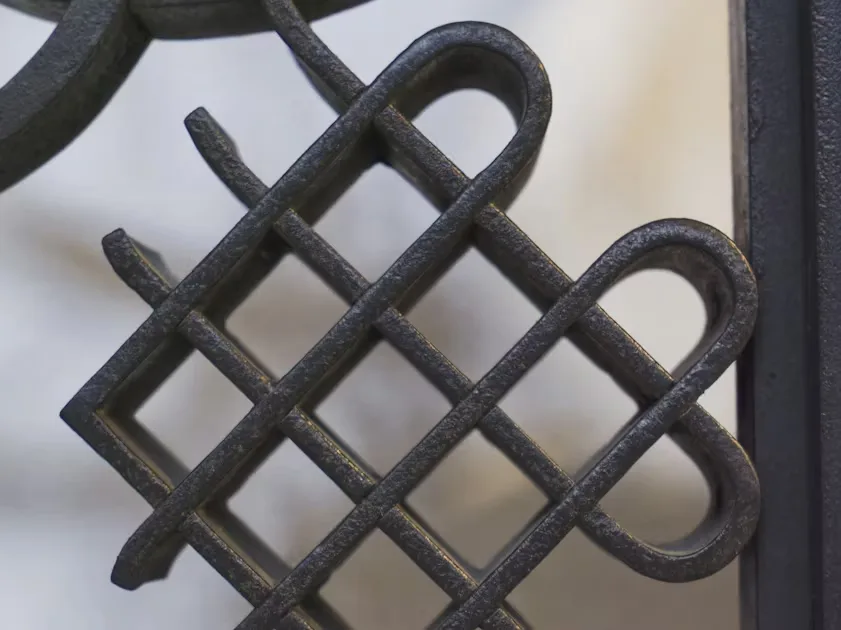
Let’s look at a concrete example. Maybe you’ve seen that “gate aesthetic” or “hidden facade” trend on TikTok or Instagram lately. People are obsessed with intricate ironwork and the weathered textures of European cities. It looks great on a 6-inch screen.
But instead of just hitting “save” and moving on, take that reference as a challenge. Go for a walk in a part of your city that has some history. Look at the gates. Look at the way the paint is peeling off the door frames or the specific pattern of the brickwork on a random apartment building.
Mixing Your Finds
When you get home, put your grainy, “ugly” photo of a local gate next to that high-fashion editorial you saved earlier.
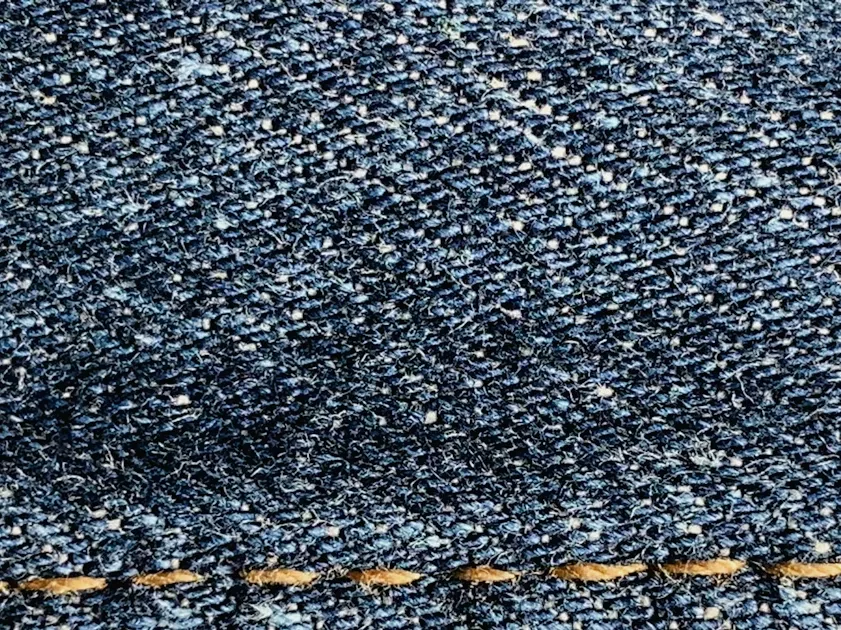
Does the metalwork in your photo mimic the stitching on the jacket in the editorial?
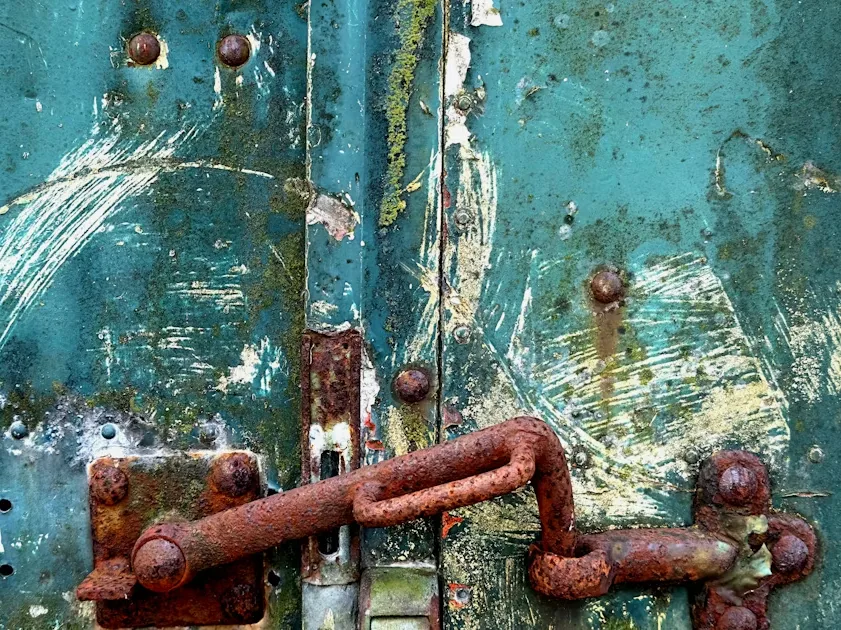
Does the rust on the hinge match the color palette of the sunset photo you liked?
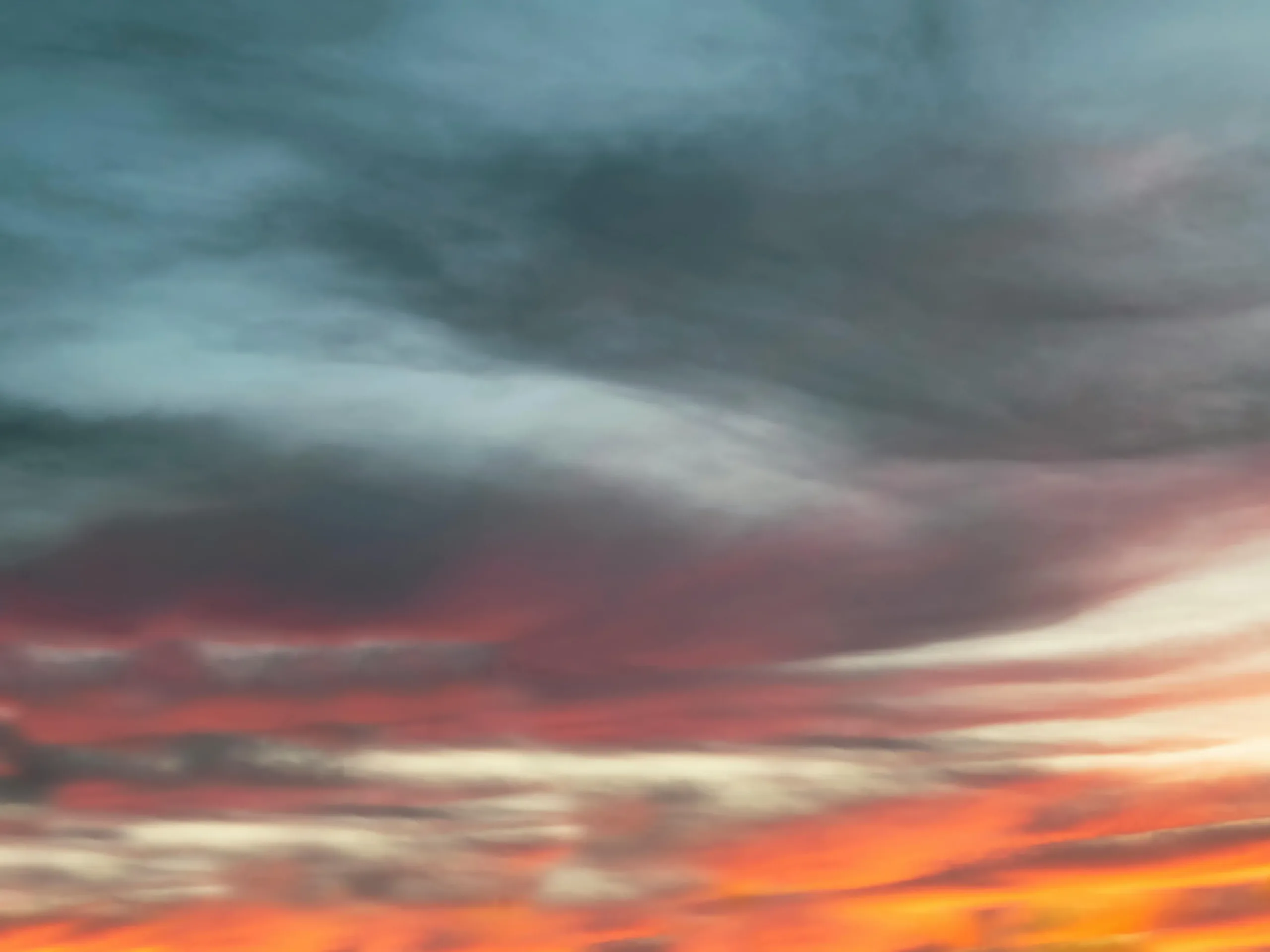
Suddenly, you aren’t just copying a trend. You’re creating a visual language that is unique to your experience.
The Anatomy of an authentic reference
A real reference should trigger a visceral reaction. If you’re just saving things because they fit a “minimalist” or “coquette” or “industrial” tag, you’re just filling out a form. You’re doing clerical work, not creative work.
When you start using your own photography, you’ll notice your moodboard aesthetic fatigue starts to lift. Why? Because you’re no longer competing with the infinite scroll. You’re competing with your own ability to see. You’ll find that you start to gravitate toward specific textures or lighting setups that you never noticed before. That, right there, is your personal style starting to breathe.
Let yourself like things
The biggest hurdle to finding your own taste is the fear of being “off-trend.” We often use references as a security blanket. “I like this because this influencer likes it,” or “I’m using this color because it’s everywhere right now.”
Let’s move past that.
The next time you feel that wave of pinterest fatigue hitting, put the phone face down. Go outside. Walk until you see something that makes you tilt your head—a weirdly shaped tree, a piece of graffiti, the way someone parked a bike. Take a photo. That’s your first real reference of the day.
Your taste isn’t something you find; it’s something you build, brick by brick, from the world you actually inhabit. Stop consuming the “ideal” and start capturing the “real.”

Ane Campos.
I am a lawyer and a Digital Law specialist with over 10 years of experience in social assistance. My professional background allows me to bring a unique perspective that connects personal development, emotional resilience, and the impact of the digital world on self-esteem and clarity of purpose.